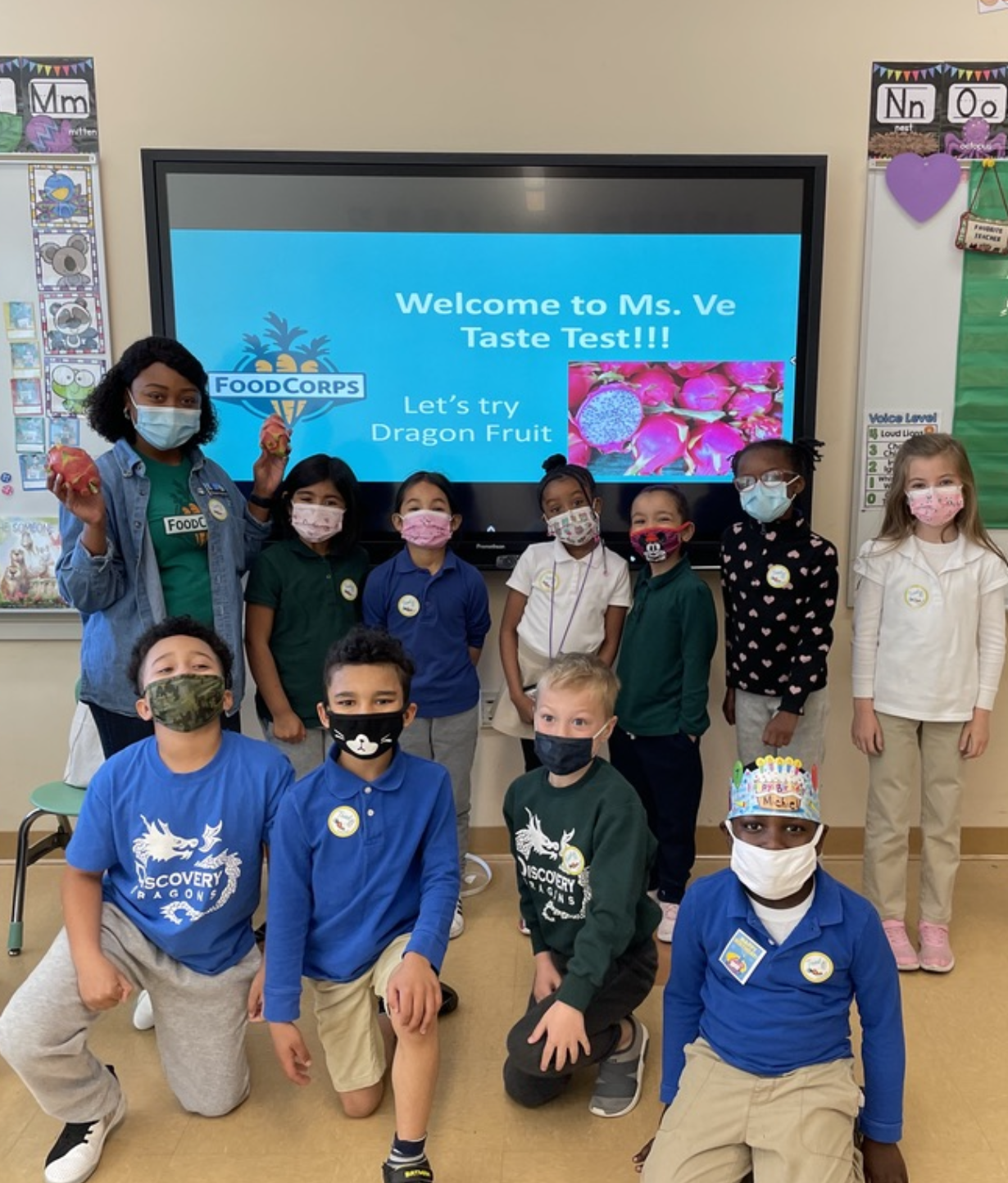
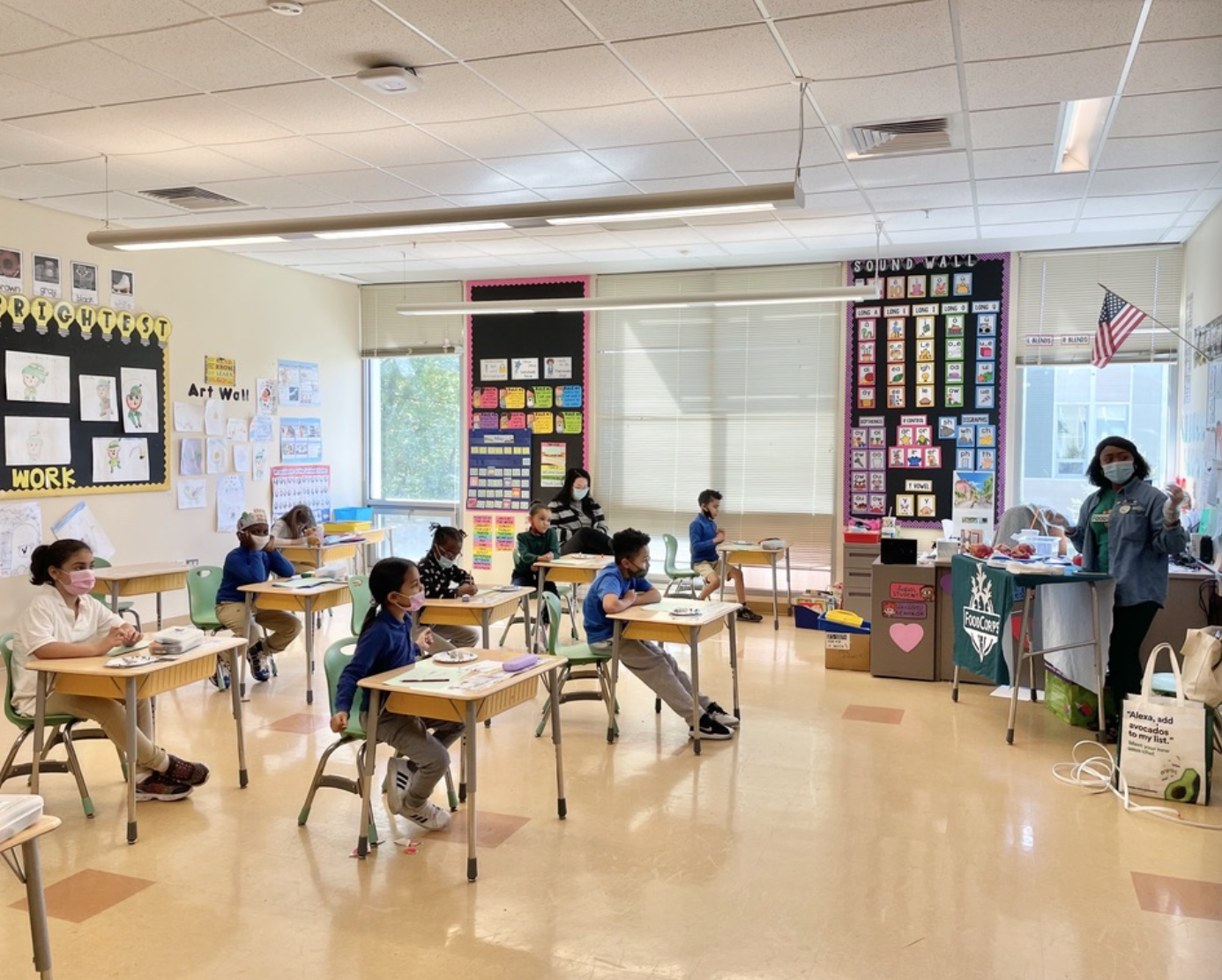
When children learn how food grows, they become more curious, confident, and willing to try nourishing foods.
Book our program for your after-school programs, summer camps, classroom, church VBS, and youth organization.
Youth Food & Garden Program
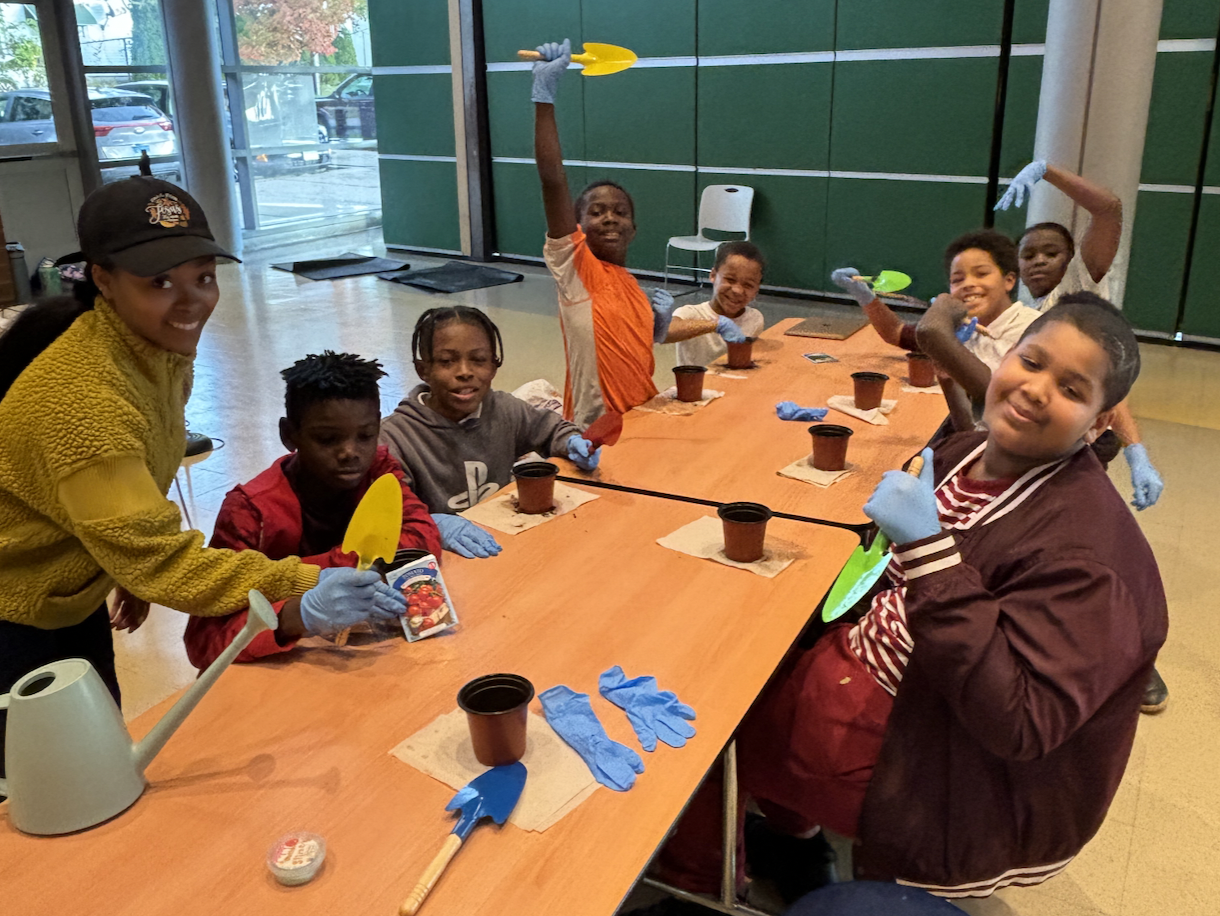
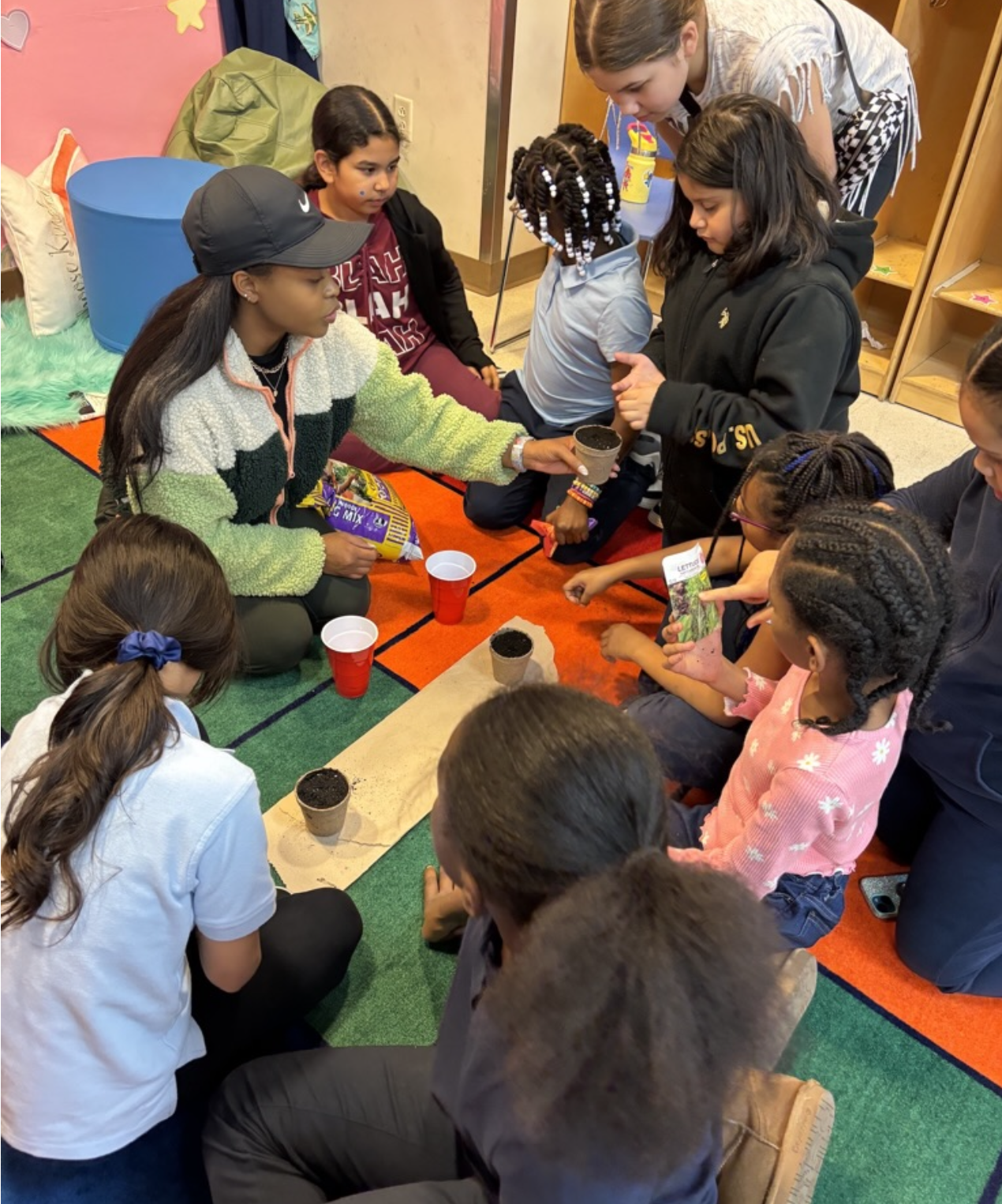
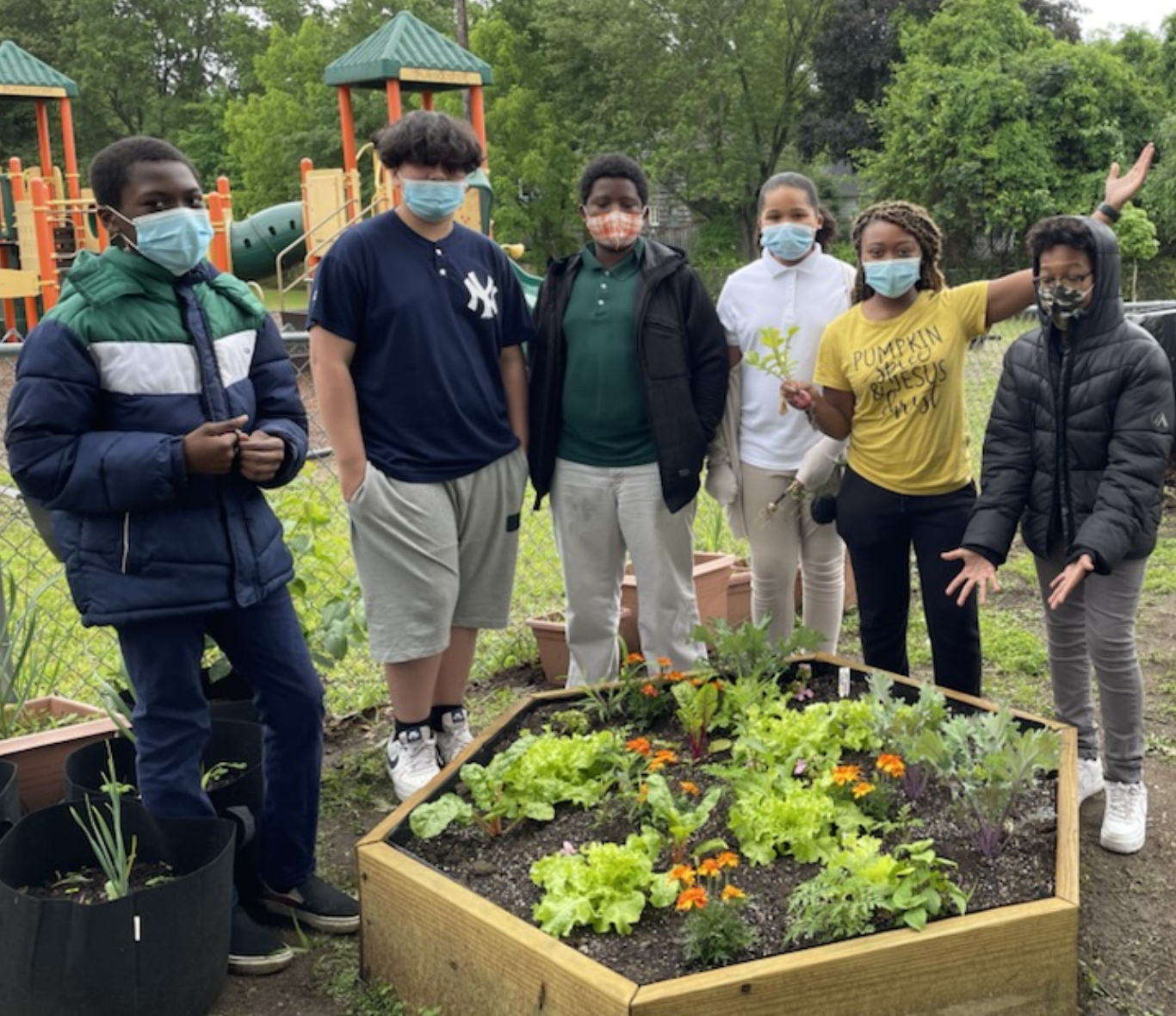
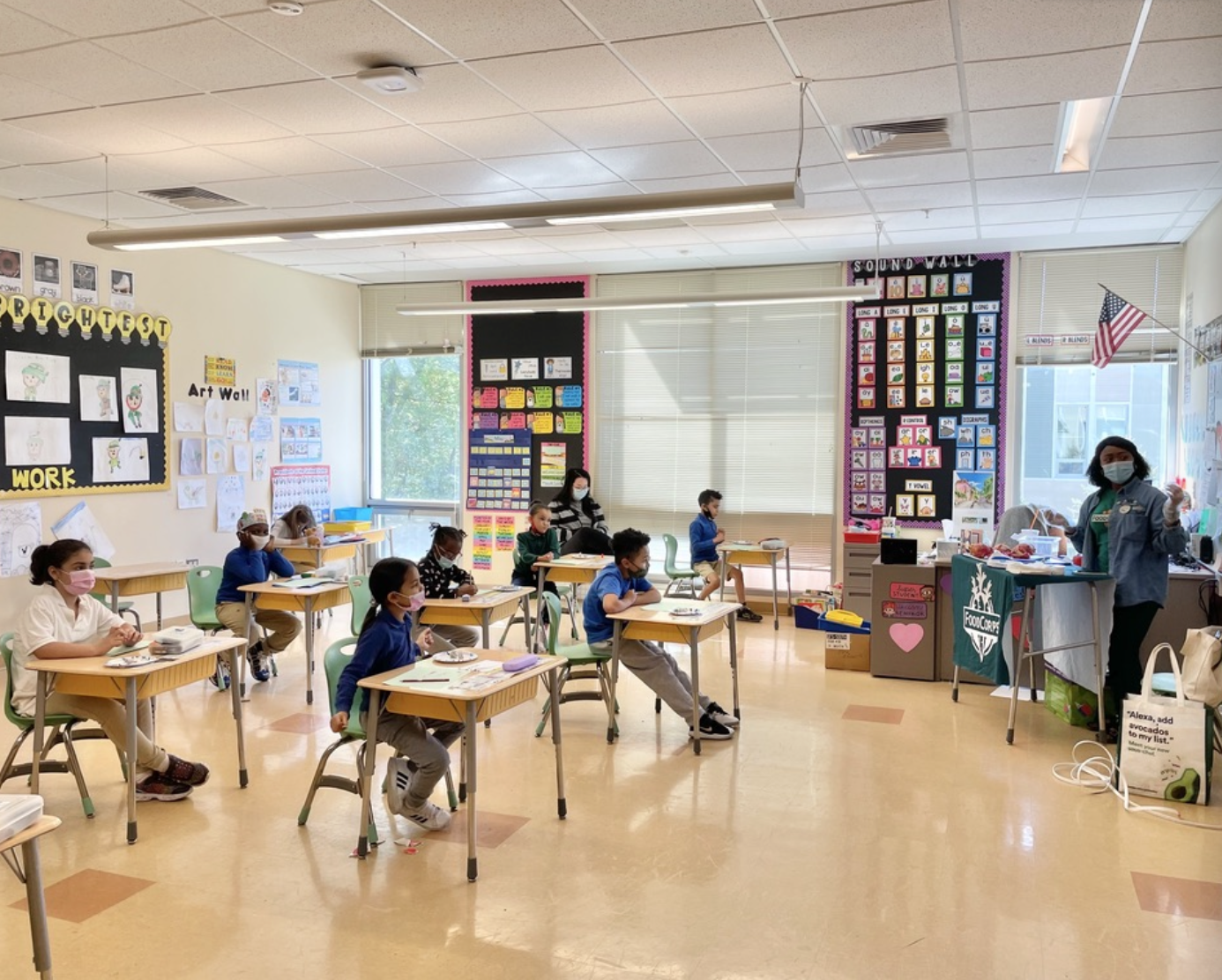
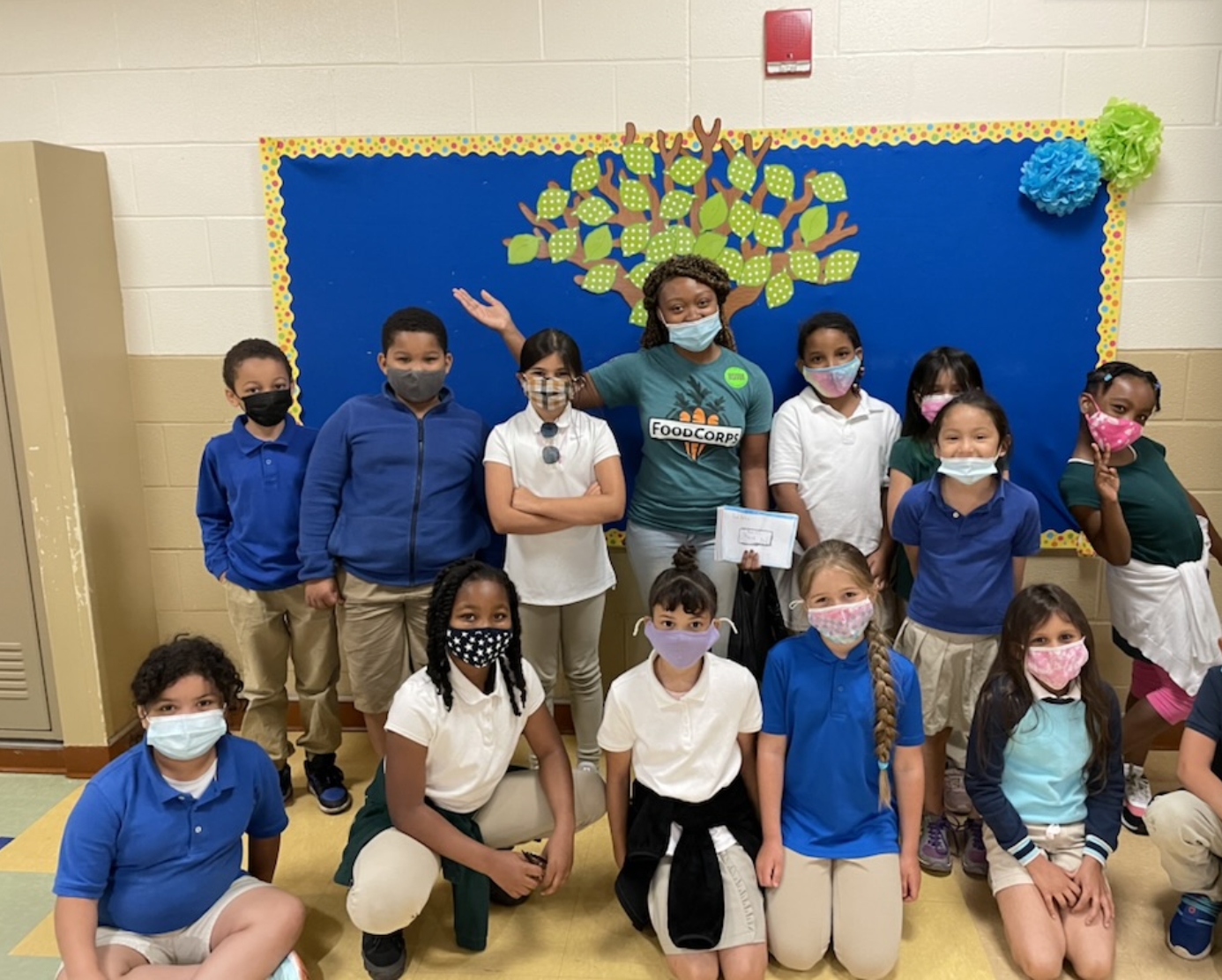
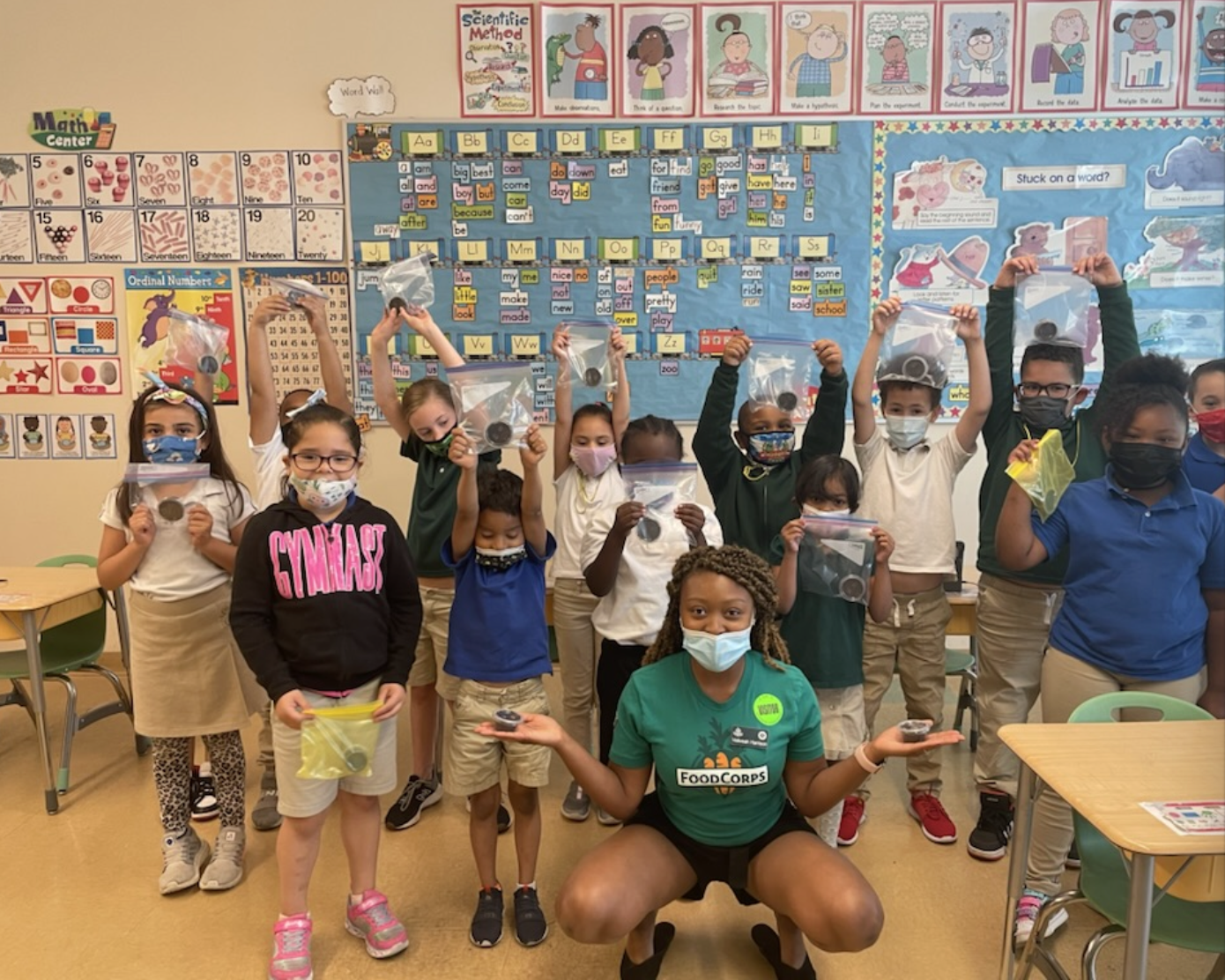
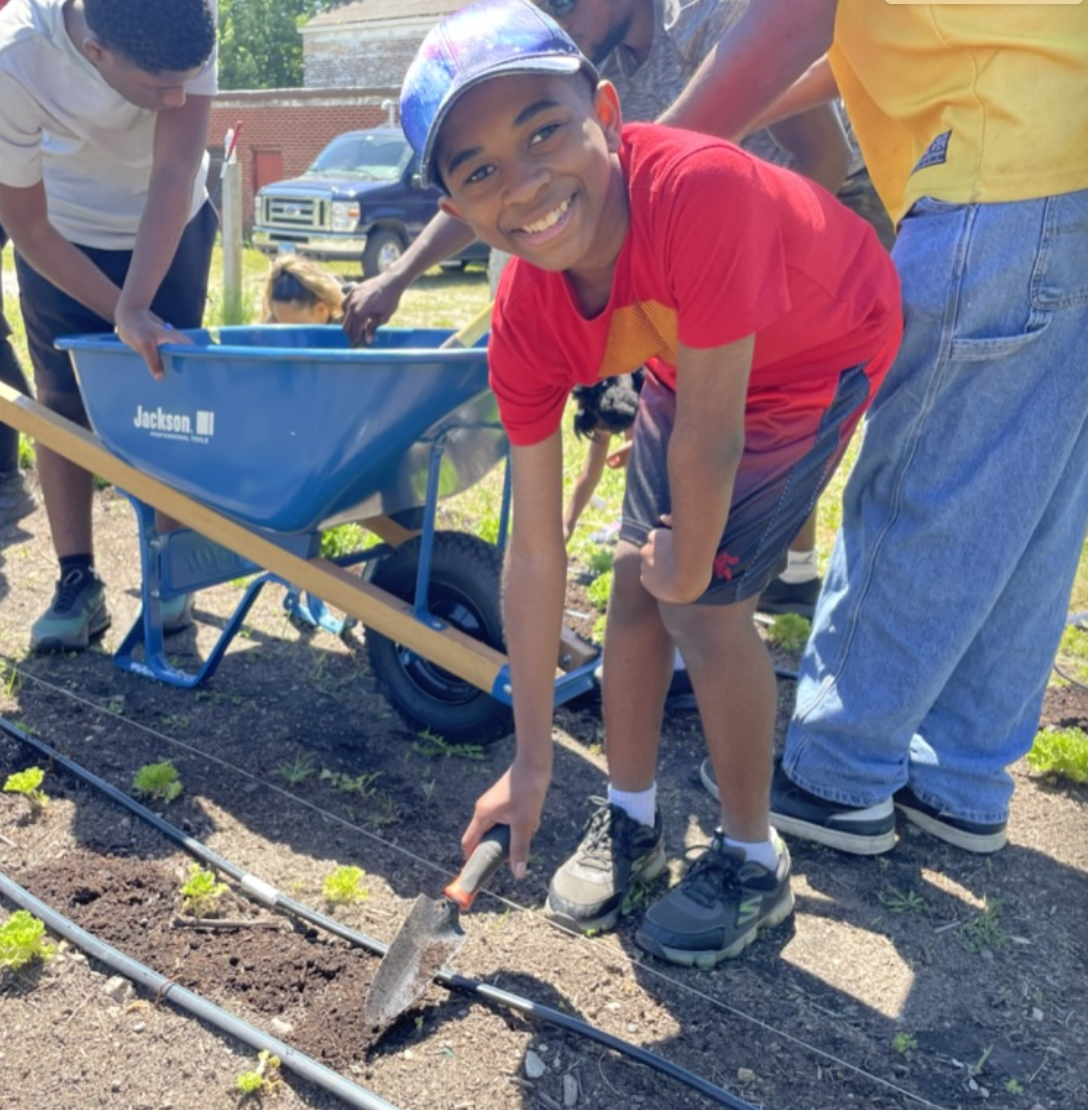
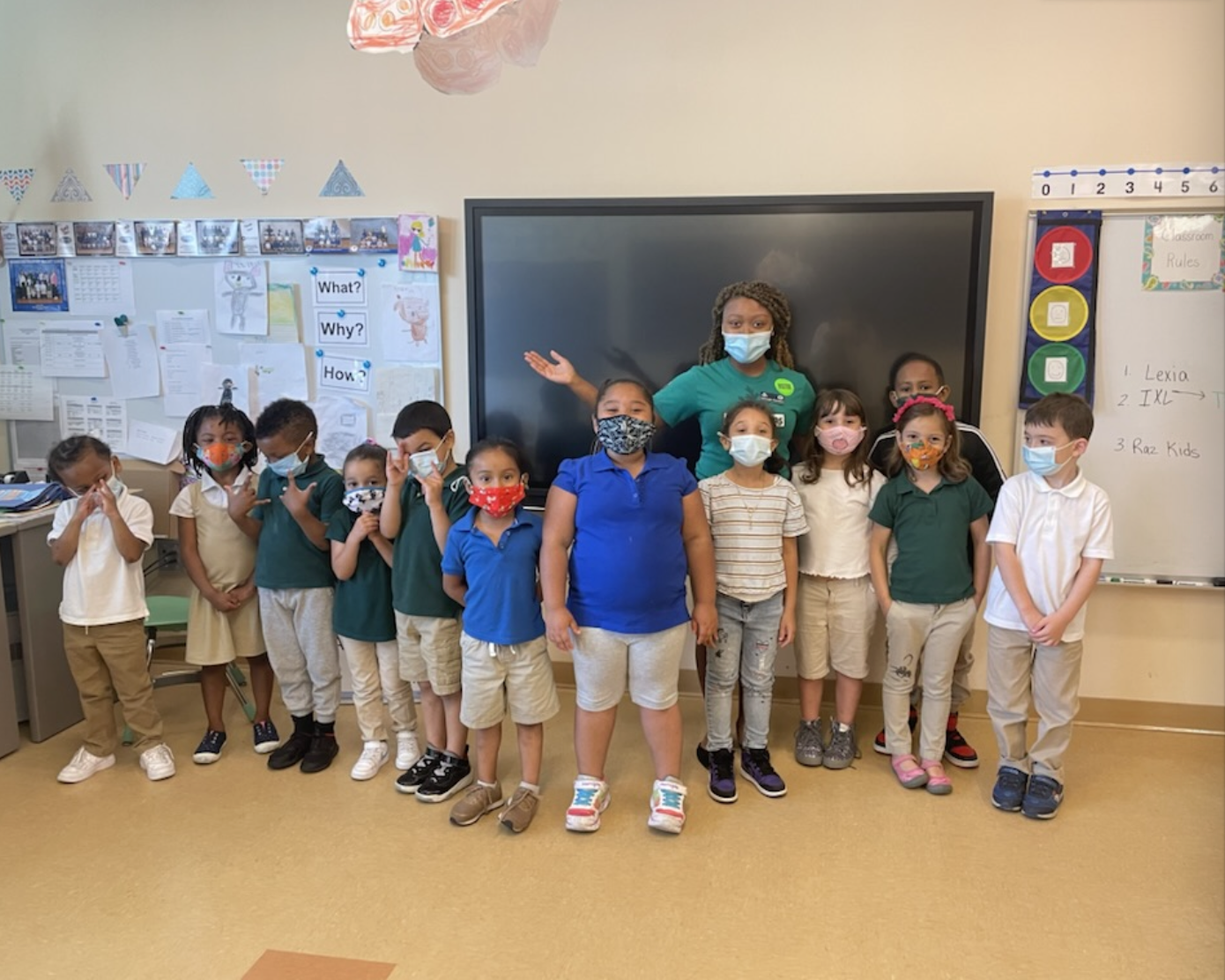
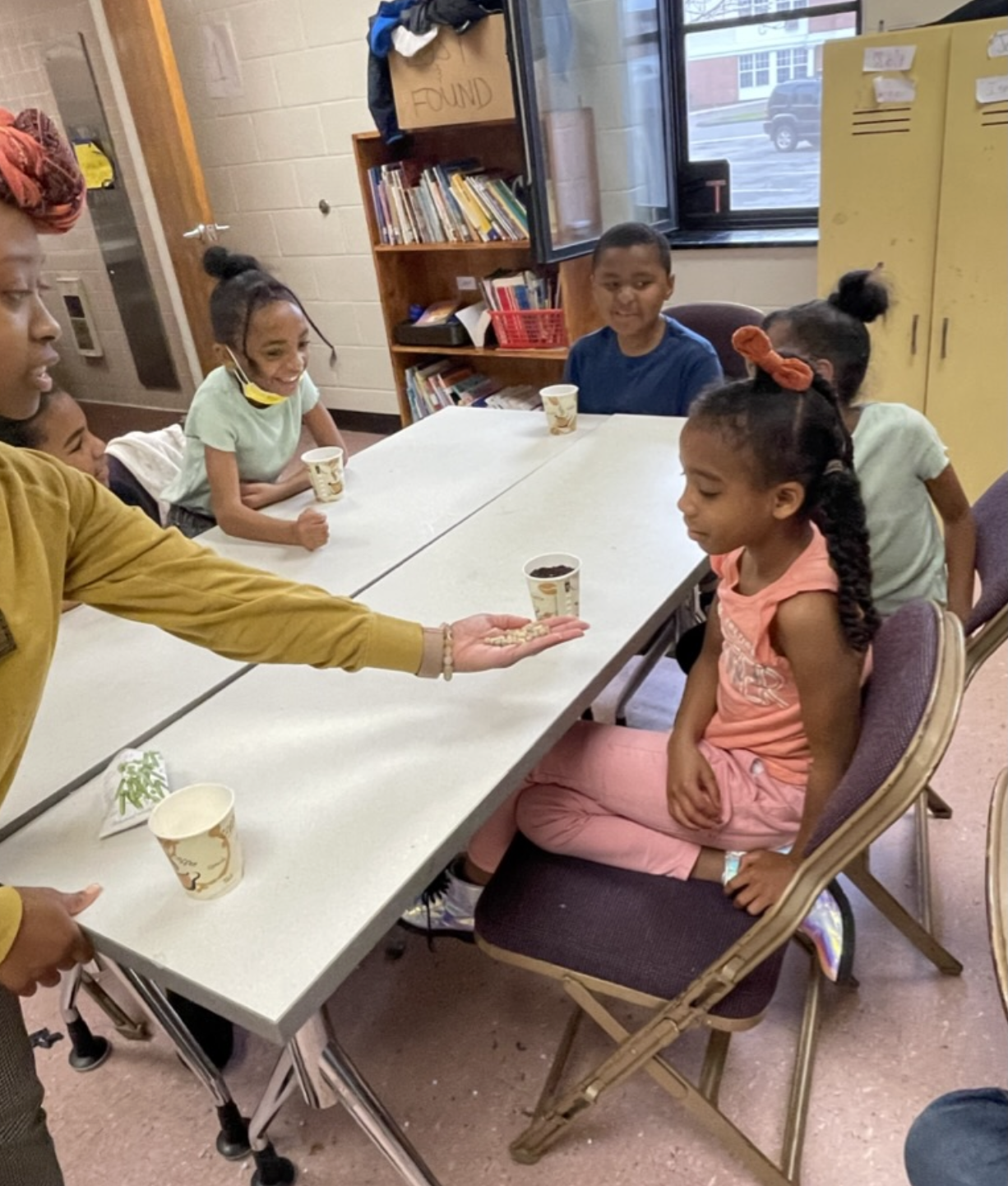
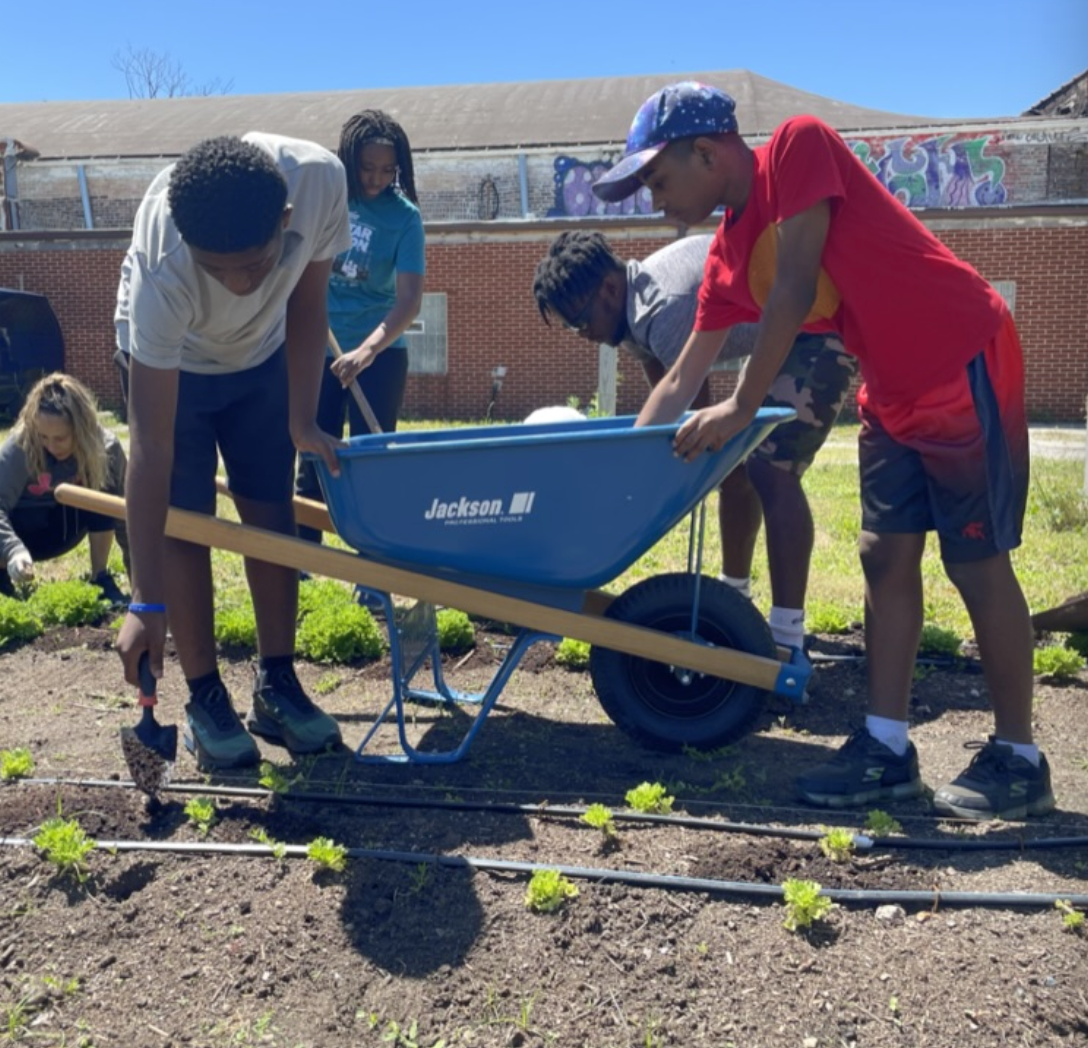
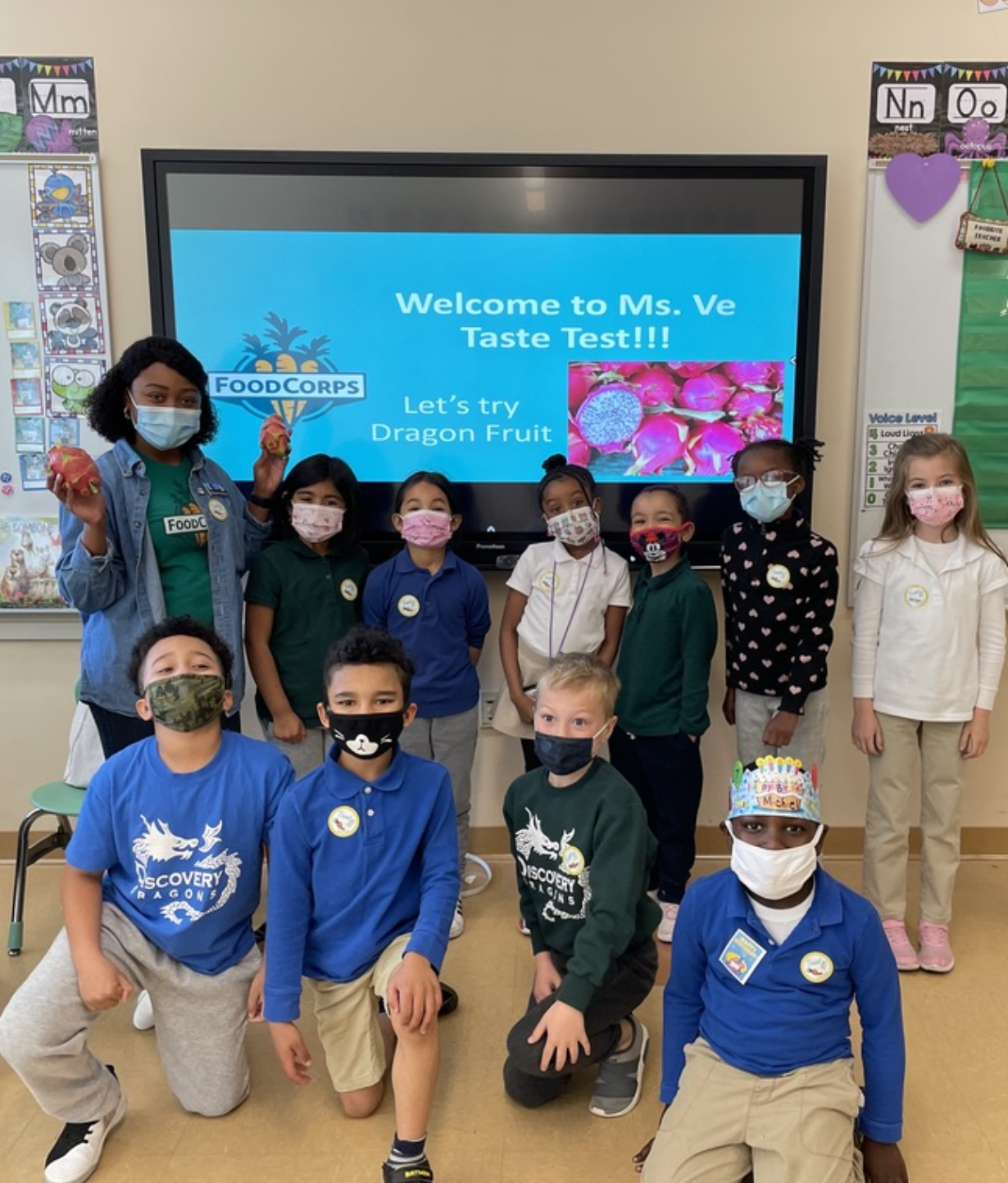
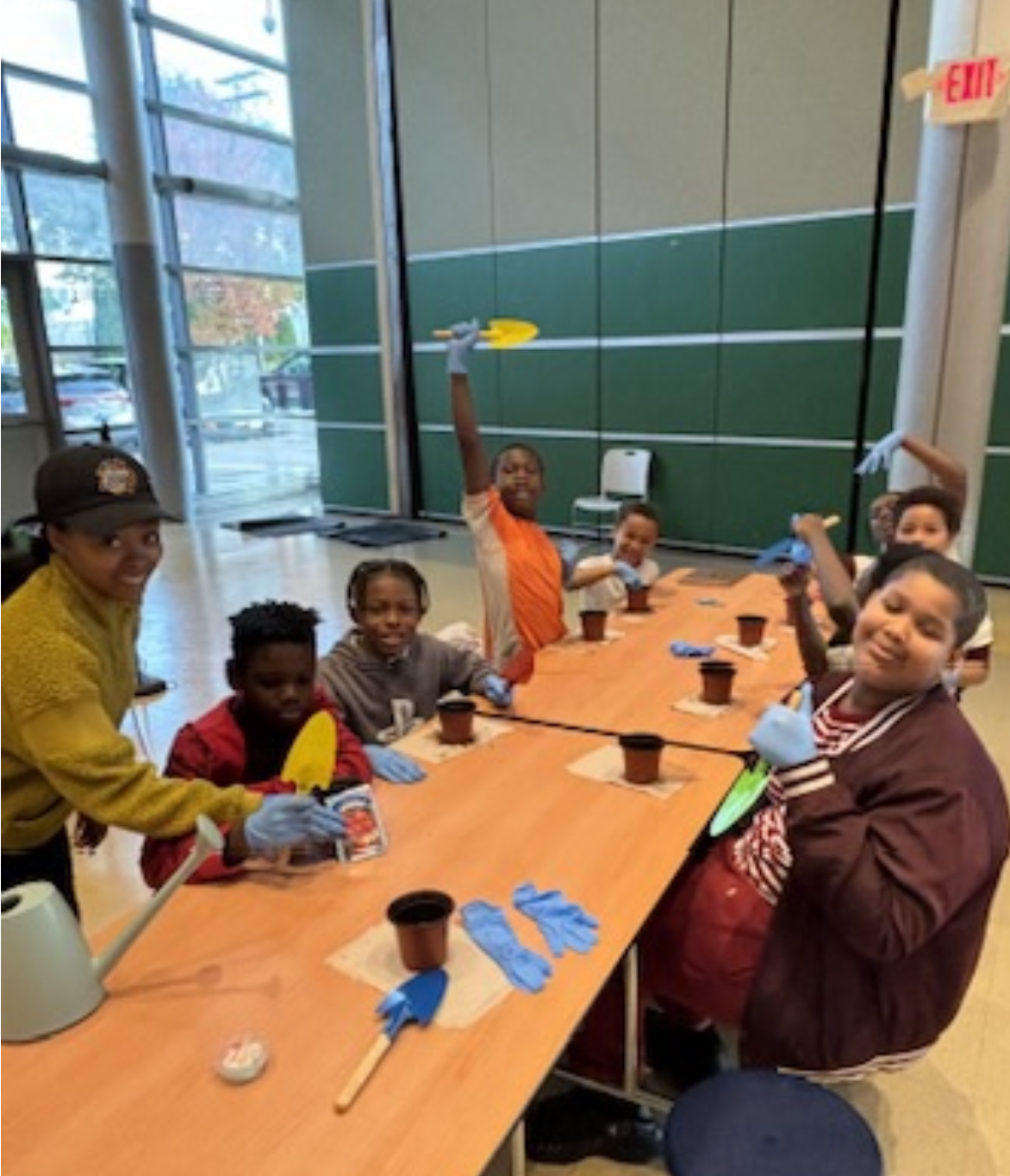
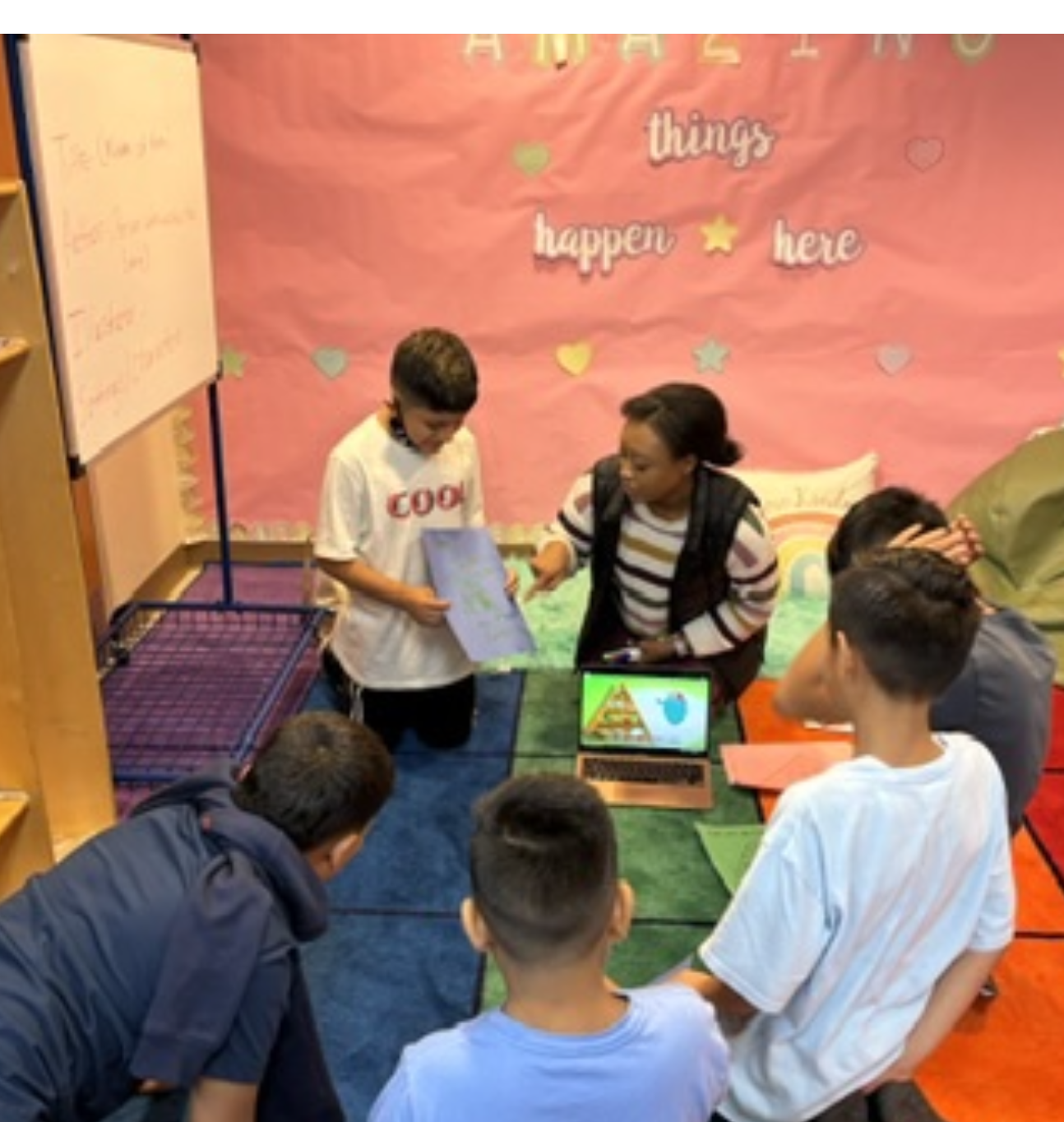
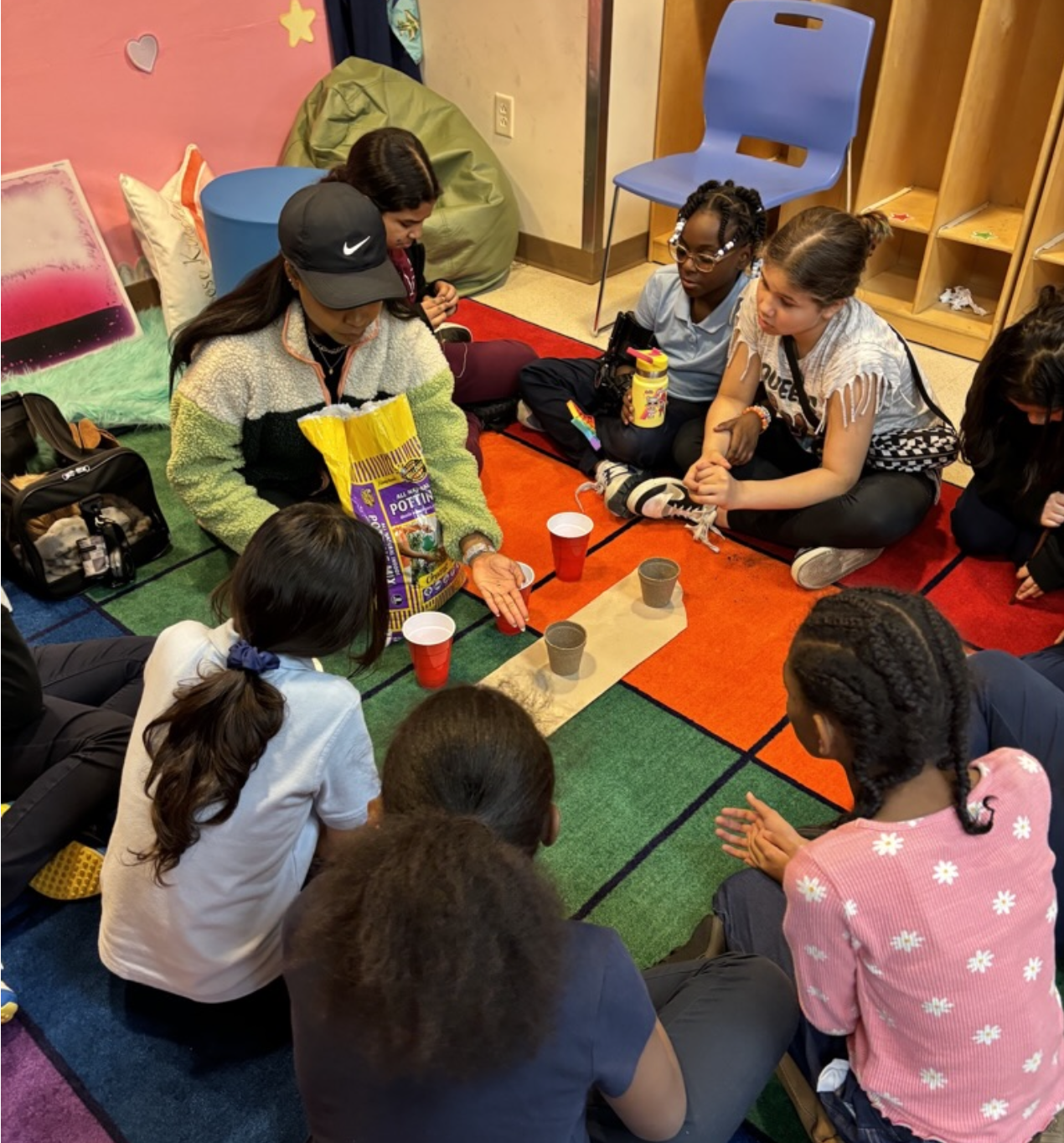
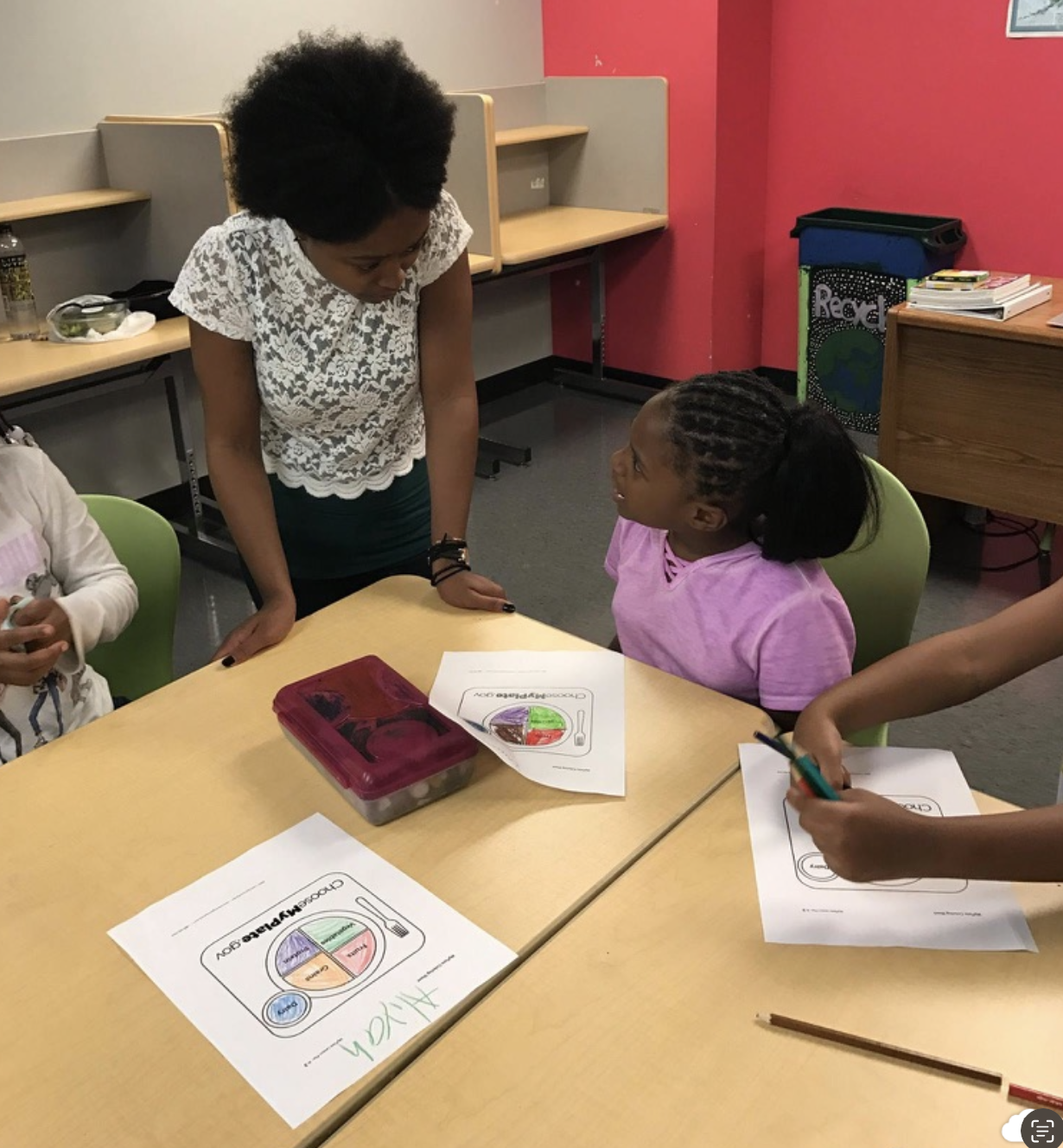
Our Youth Food & Garden Program is a hands-on educational experience that helps students learn where food comes from, how to grow it, and why nourishing food matters.
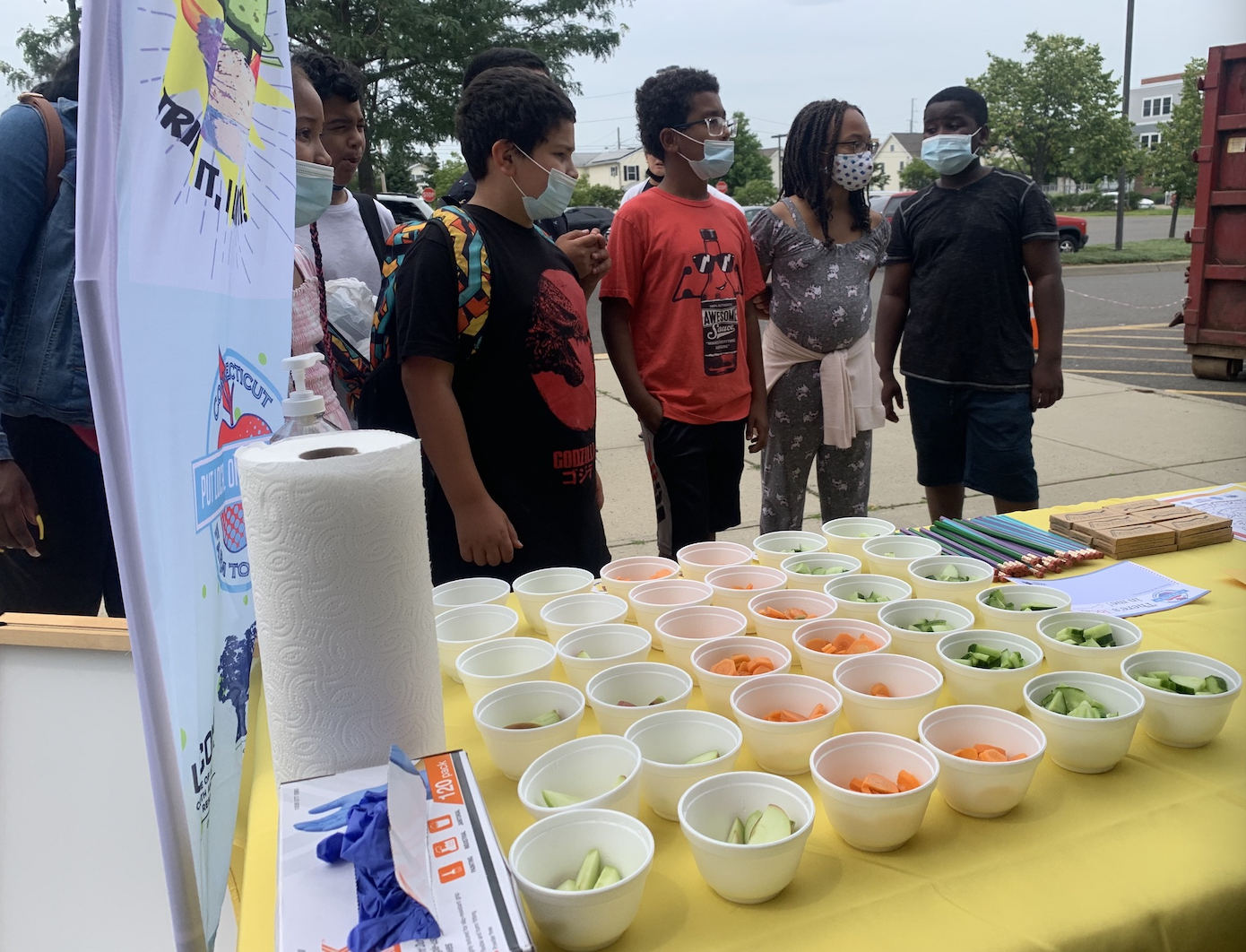
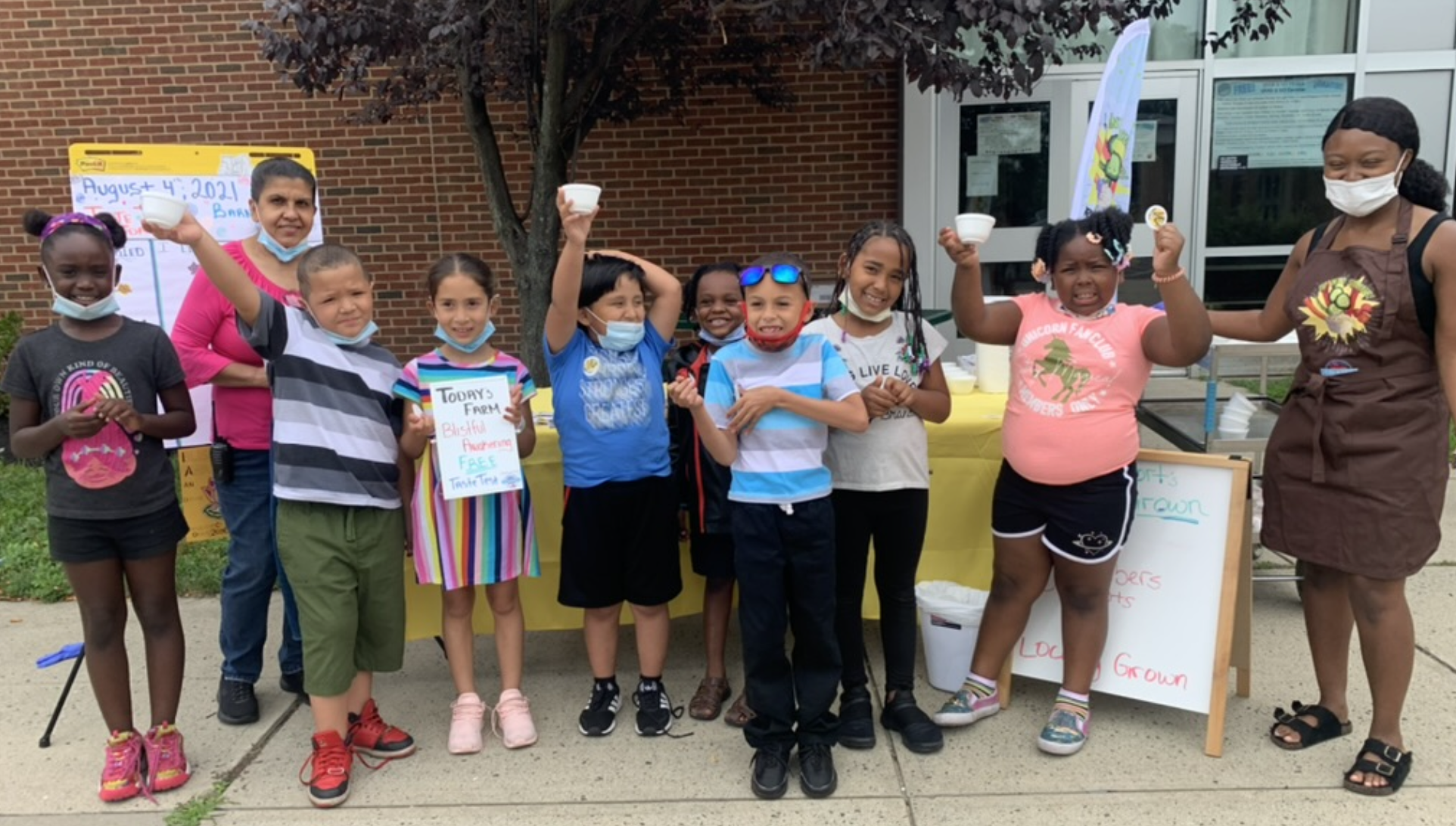
Through gardening, nutrition education, food exploration, and fun interactive activities, youth build healthy relationships with food while developing confidence, curiosity, environmental stewardship, and life skills.
We Use a Garden-Based Curriculum to Empower Youth
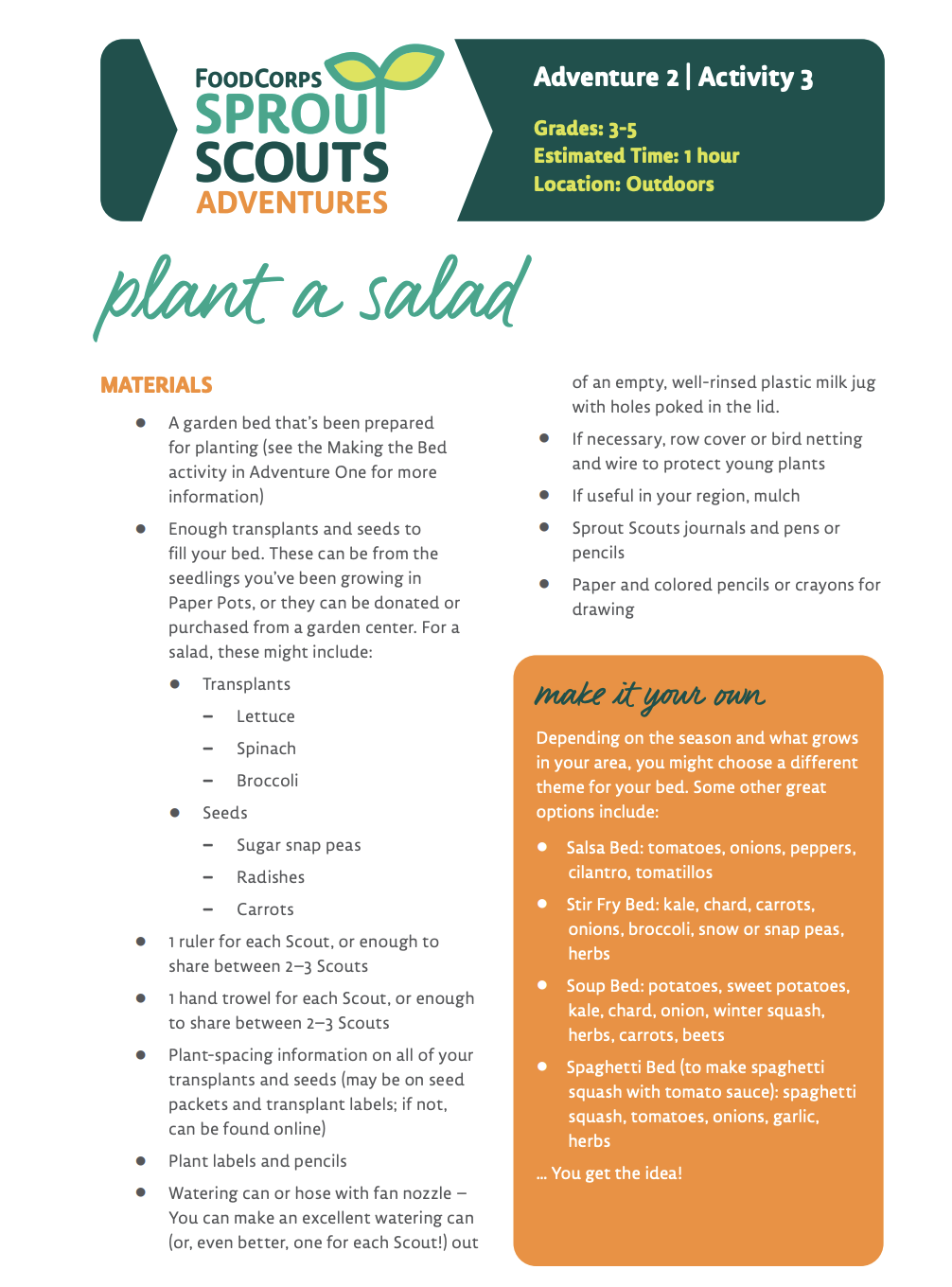
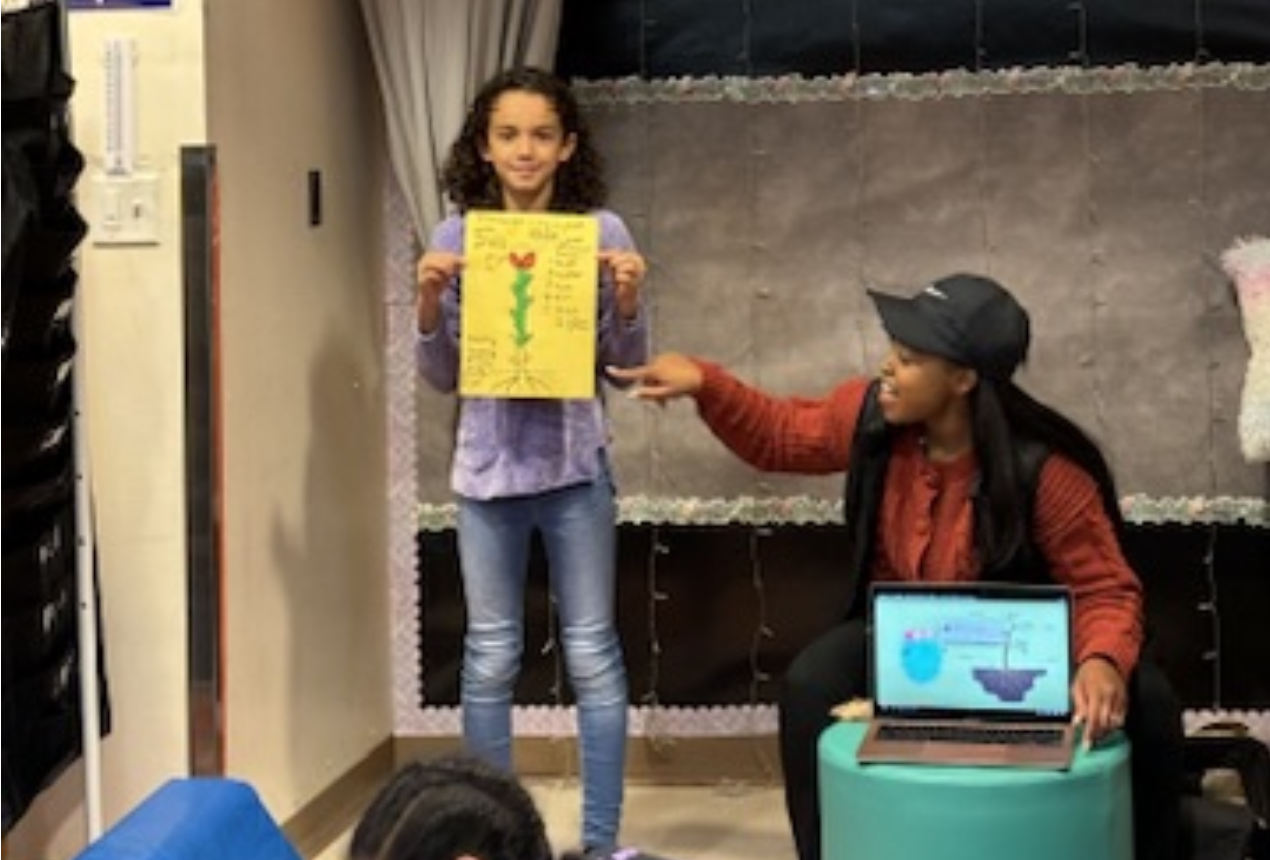
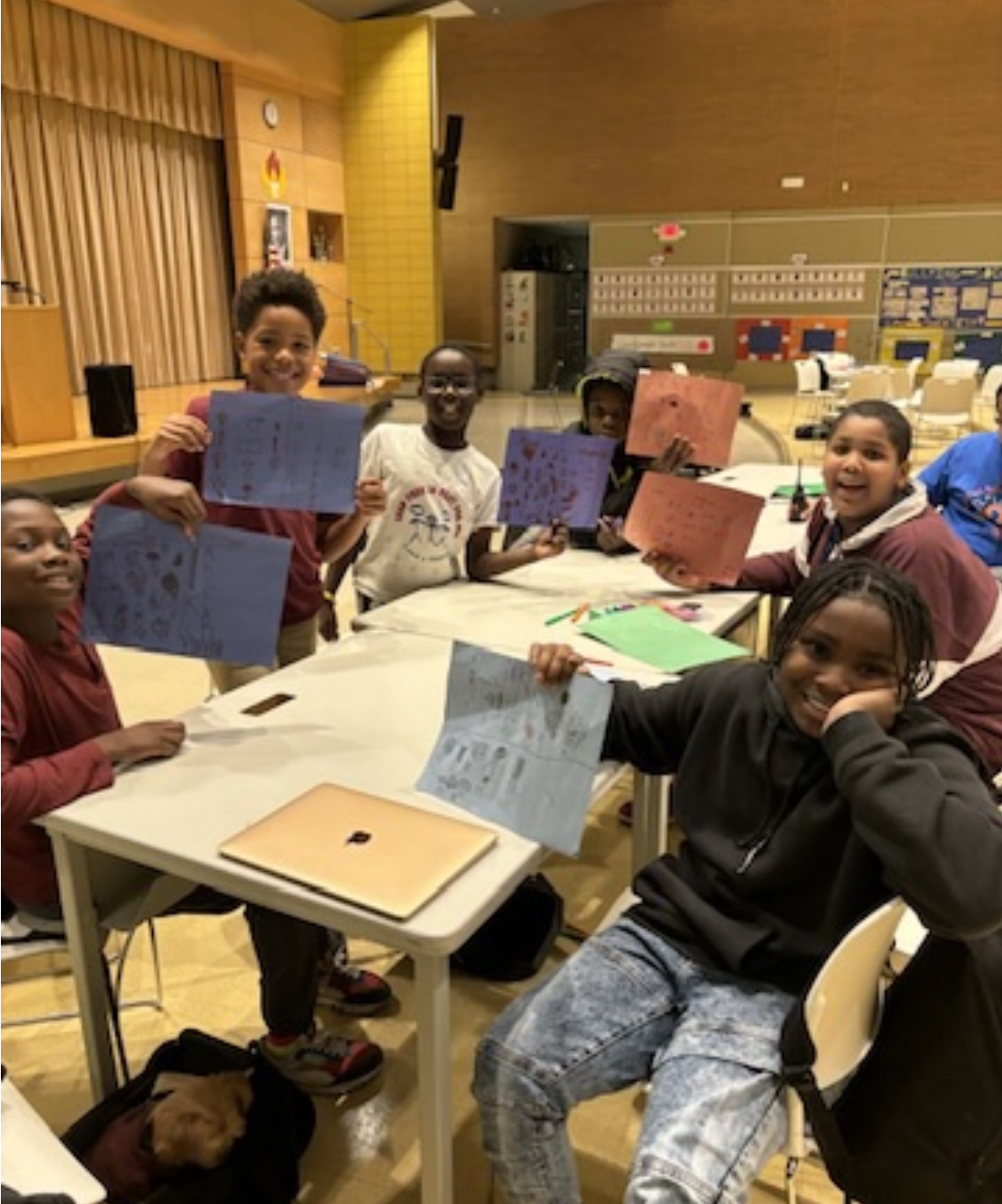
A food and garden club for elementary-aged students. Each Sprout Scouts Adventure includes group activities and take-home family activities that explore growing, preparing, and eating nourishing food.
Perfect for:
After-school programs, summer camps, classrooms, libraries, churches, and youth organizations.
-
Where food comes from
How to grow fruits, vegetables, and herbs
Basic nutrition and healthy eating habits
Gardening skills and plant care
Environmental stewardship
Food justice and community awareness
Teamwork, leadership, and confidence
-
One-Time Workshop
A fun, hands-on food and garden session for youth groups.4-Week Series
A short series introducing youth to gardening, nutrition, and food exploration.6-Week Youth Food & Garden Program
A deeper learning experience where youth grow, taste, explore, and connect food to health and community.Summer Camp / After-School Partnership
Custom programming for schools, camps, churches, and youth organizations. -
Seed Starting & Plant Care Basics
Grow Food Anywhere
Rainbow Foods & Nutrition
Soil, Compost & Garden Helpers
Herbs, Taste Tests & Healthy Snacks
Food Justice for Kids
From Garden to Plate
-
When children learn how food grows, they become more curious, confident, and willing to try nourishing foods. This program helps youth see gardening as more than an activity as it becomes a pathway to health, leadership, and community care.
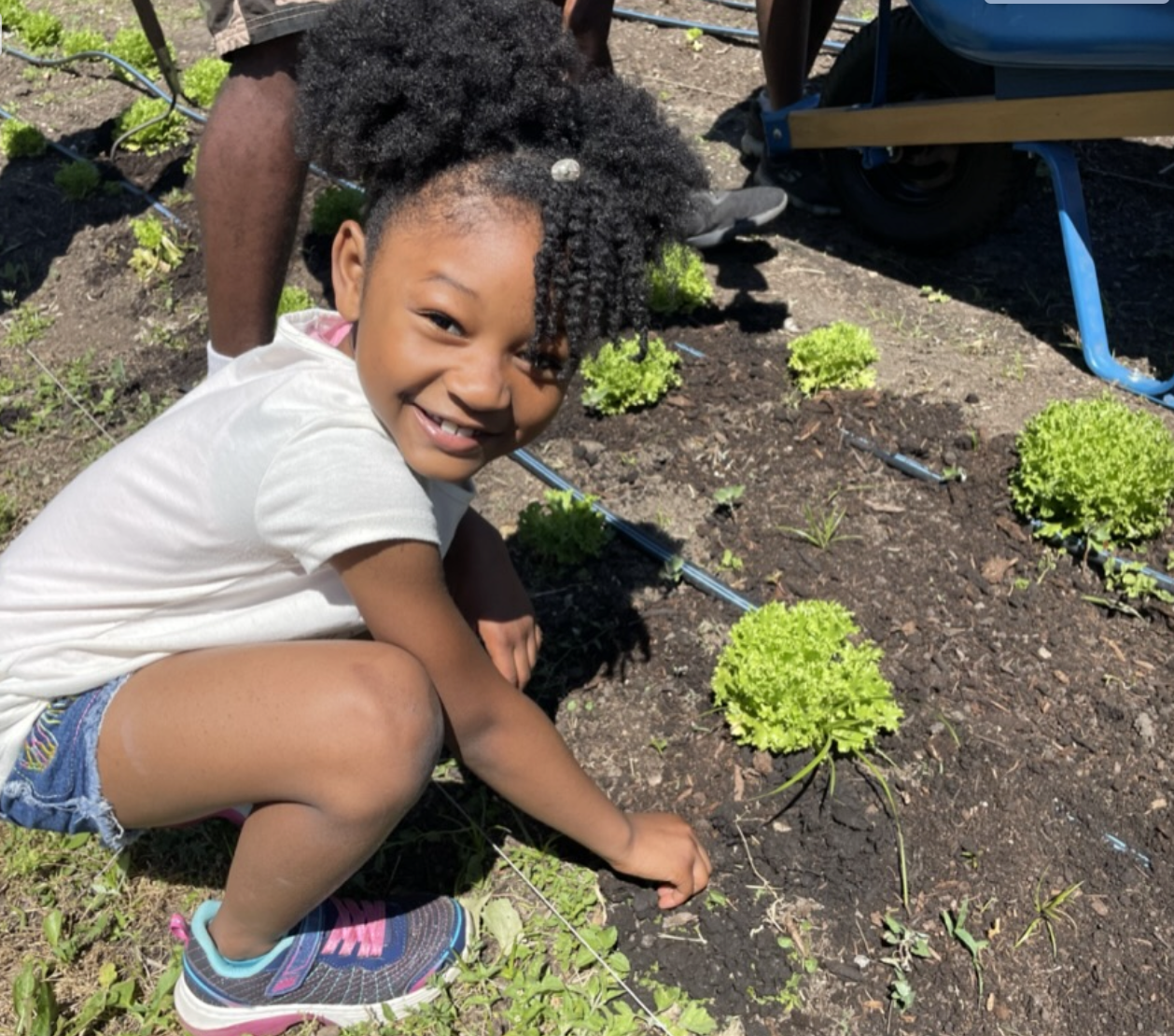
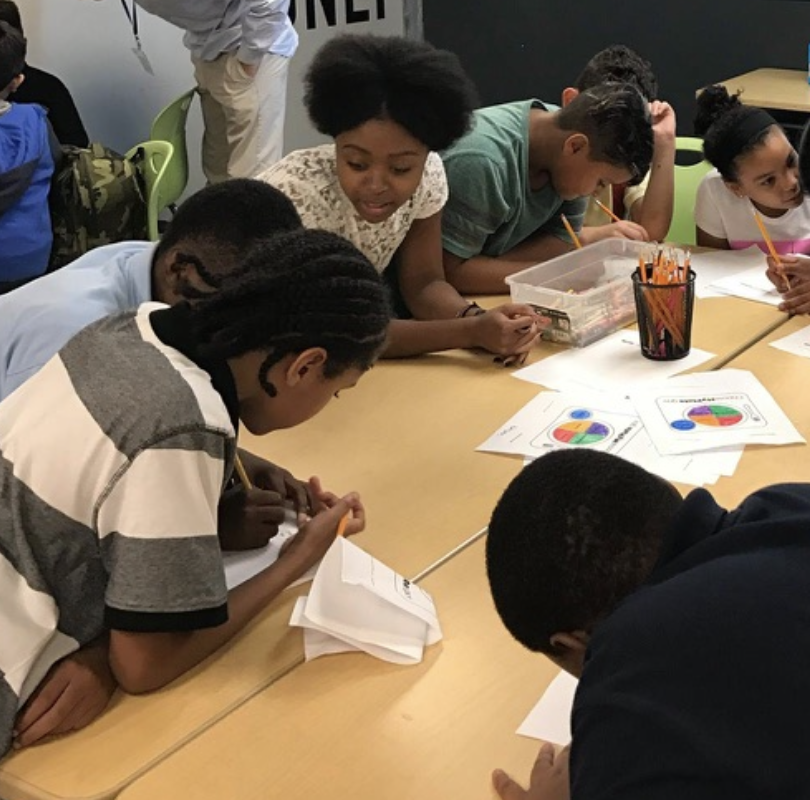
Bring the Sprout Scouts Club to Your Youth
Interested in bringing the Youth Food & Garden Program to your school, camp, church, or organization?
Fill out the interest form below to schedule a discovery call and learn how we can customize the program for your youth.